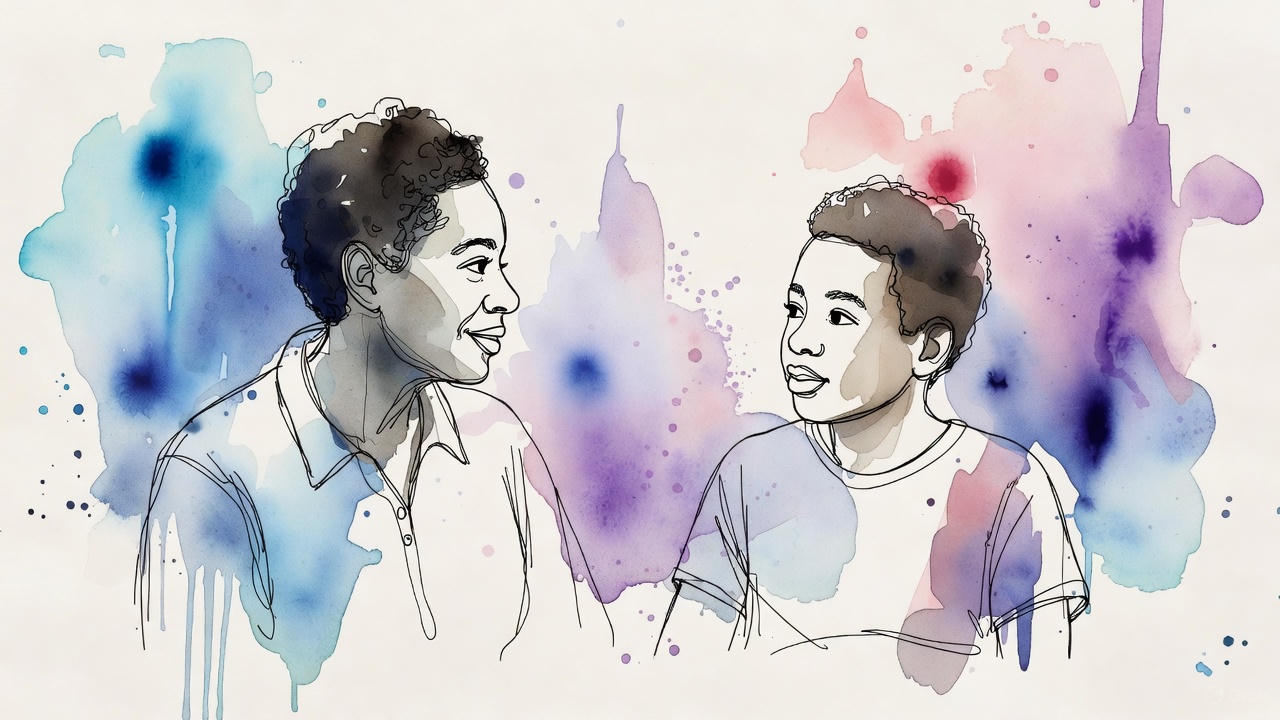
You hear the door close a little harder than usual. Your teen drops their backpack, mumbles a quick “I’m fine,” and disappears into their room. No eye contact, no details, just a wall.
Every part of you wants to follow, ask questions, and get the full story. Were they teased? Did something happen in class? Are they in trouble? But the more you push, the faster they seem to shut down.
Why teens shut down
When teens have a hard day, shutting down is often their way of managing big feelings. They may be:
- Afraid of disappointing you.
- Worried you’ll overreact or make it a bigger deal.
- Unsure how to put their feelings into words yet.
None of this means they don’t trust you. It usually means they’re overwhelmed and trying to protect themselves while they sort things out inside.
What helps more than “What’s wrong?”
Questions like “What’s wrong?” or “What happened?” can feel like pressure. Instead, try a simple line that names what you see and offers quiet support.
For example:
“Hey, I can tell today took a lot out of you. I’m nearby if you want company or want to talk later.”
This kind of line:
- Notices their feelings without demanding information.
- Shows you’re there for them, with no agenda.
- Leaves space for them to choose when — or if — they’re ready to talk.
How to offer connection without pressure
After a while, you can gently circle back with options that feel safe and low-stakes. You might say:
“Would you rather just sit together, go for a short drive, or keep some quiet and check in later?”
You’re not prying for details; you’re offering your presence. Sometimes teens open up during the walk, in the car, or even hours later — once they feel sure you won’t lecture or rush them.
A simple line that helps
The next time your teen shuts down after a hard day, you might say:
“I can see today was a lot. I’m not going to push, but I’m right here when you’re ready for company or words.”
It tells them they don’t have to carry hard days alone, and that your love doesn’t depend on them being “on” or cheerful all the time.